
Tested in the Toughest Rooms Imaginable.
Communication Coaching For Men & Couples
For twelve years I taught communication skills inside a men's prison. It was the most rewarding work of my professional life, and it taught me more about what is required for real change than anything else ever could.
Those lessons are now yours to use. You might not need them at work, where you lead, decide, and deliver. But somewhere between the front door and the kitchen table, the wheels come off.
That gap isn't a character flaw. It's a missing skill. I’ll teach it to you.

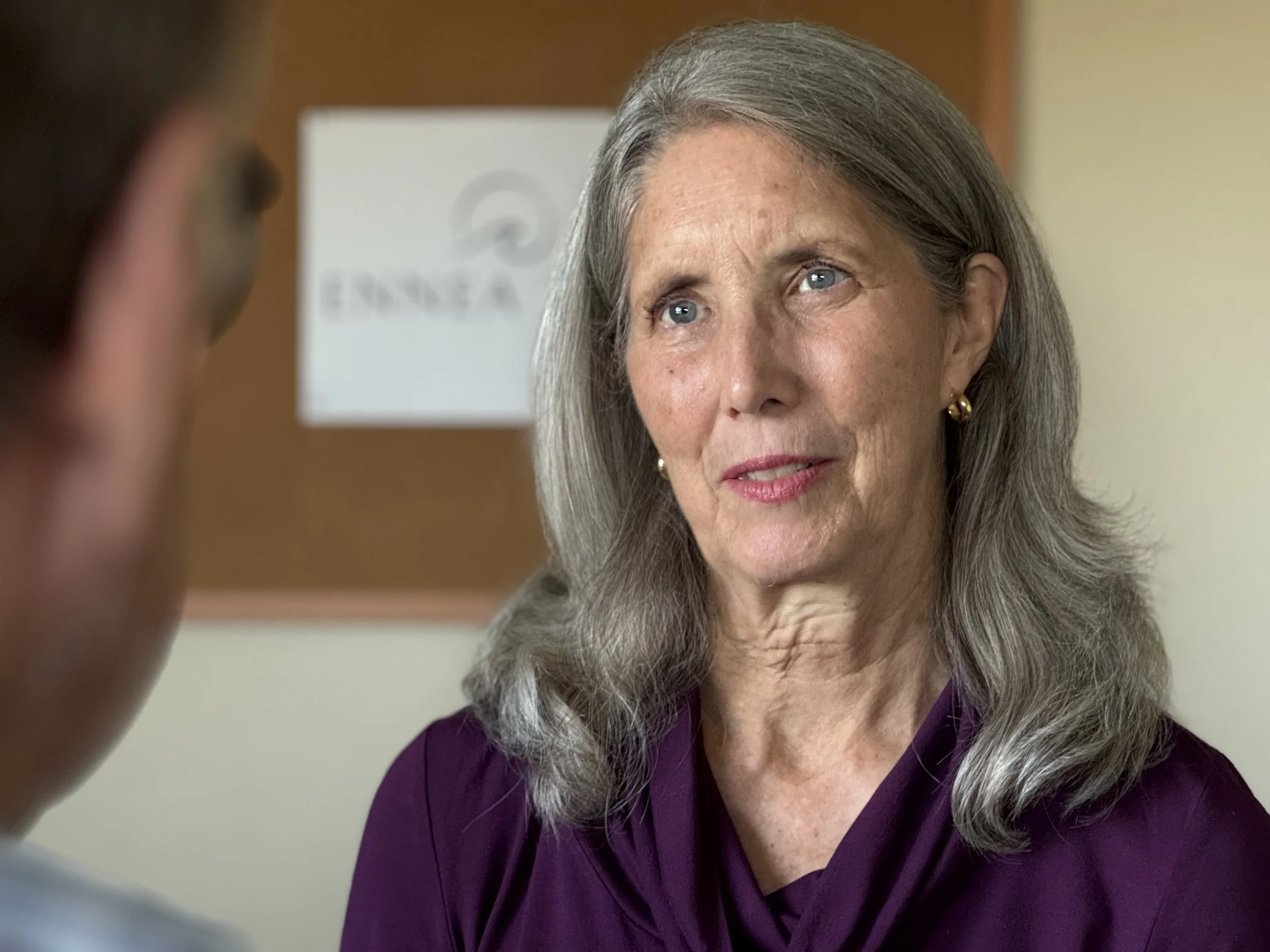
Trime Persinger
(pronounced “Tree-may”)
The skills that built your career
are the ones costing you at home

At work, being right ends the conversation. At home, being right starts the fight.
At work, you fix the problem. At home, your partner doesn't want it fixed, they want to be understood first.
At work, staying calm and unbothered reads as strength. At home, it reads as not caring.
None of this means something is wrong with you. It means you were trained for one room and never trained for the other. That training is available.
Does any of this sound familiar?
She says you never listen, and you were listening.
Your kids answer in one word and disappear upstairs.
You avoid the conversation for three days because you already know how it ends.
You win the argument and lose the evening.
You're the person everyone counts on, and the loneliest one in the house.

This is coaching, not therapy

We don't excavate your childhood. We work on what you say, how you say it, and what you do when it gets tense. Concrete skills, practiced out loud, immediately put into use.
You will not be told that everything is your fault. You will be shown the part that's yours (the only part you can change) and how to change it.
This doesn't make you softer. It makes you harder to knock off balance.
“I found this exercise to be a wonderful addition to my continued learning and personal refinement. The insight provided by Ms. Persinger was not only enlightening but her guidance on how I can leverage my strengths and weaknesses was profound. I highly recommend you engage in this guided facilitation. It will pay you dividends.”
— Parrish Van Wert
For Couples
How can you love someone
and still find so much to fight about?
Because love was never enough on its own. It also takes skill. The patterns you each bring into the relationship were shaped long before you met, and when two people's unresolved habits collide, even the smallest moment can spark the biggest fight.
Together, you can learn a new way of communicating—one that finally lets you stop hurting each other and start actually hearing each other.

The Coaching Process
It starts with a conversation, not a commitment. 30 free minutes to get acquainted and see if working together feels right.
We’ll work through a program shaped by who you are and what your relationships actually need.
You'll gain a clearer understanding of yourself as well as practical skills you can use in the moments that matter most.
Want to know more? Visit my coaching page.
Heal your relationships
as you heal yourself.
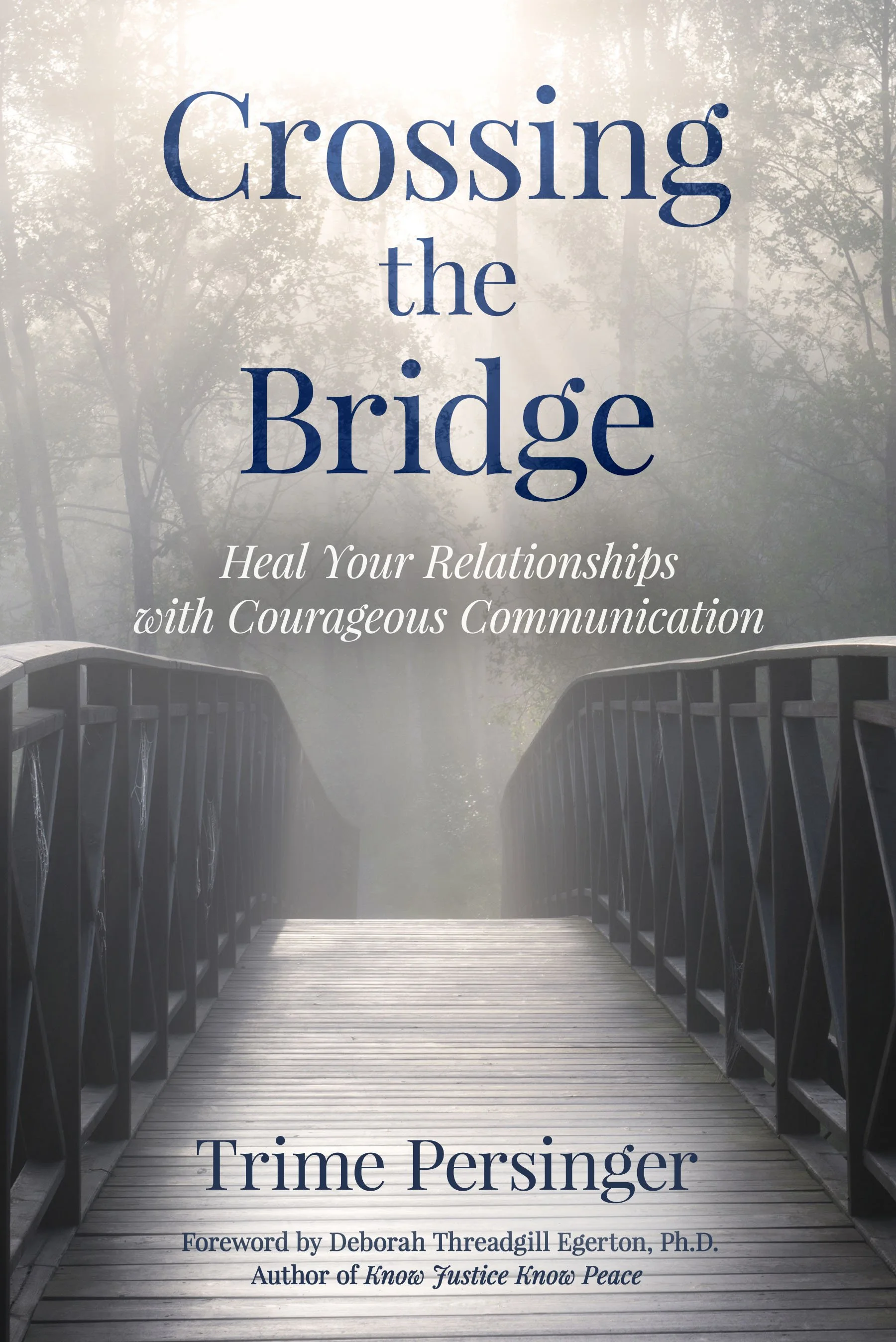
Crossing the Bridge gives practical, compassionate guidance that helps you have more satisfying conversations with the people who matter most (and everyone else). Blending clear step‑by‑step instructions with memorable real‑life stories, it shows you how to:
Listen in a way that builds rapport
Express yourself authentically in a way the other person can hear
Steer tough moments toward understanding and resolution
If you struggle at times in important relationships, this book is for you.
“As a psychotherapist, I found this book to be a useful and highly specific instruction manual for both laypeople and therapists/coaches to empower individuals to cultivate deeper connections.”
— Michele Lonergan, LPC, NCC, CNEP